-

Annual Family Conference 2023
Join the NTSAD Community from June 1-4, 2023 in Reston, Virginia.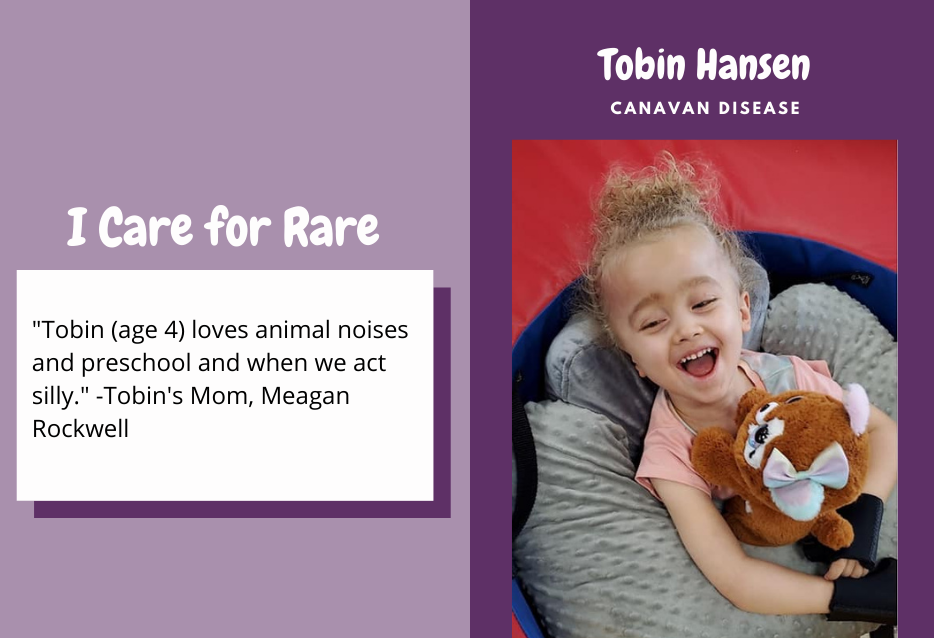
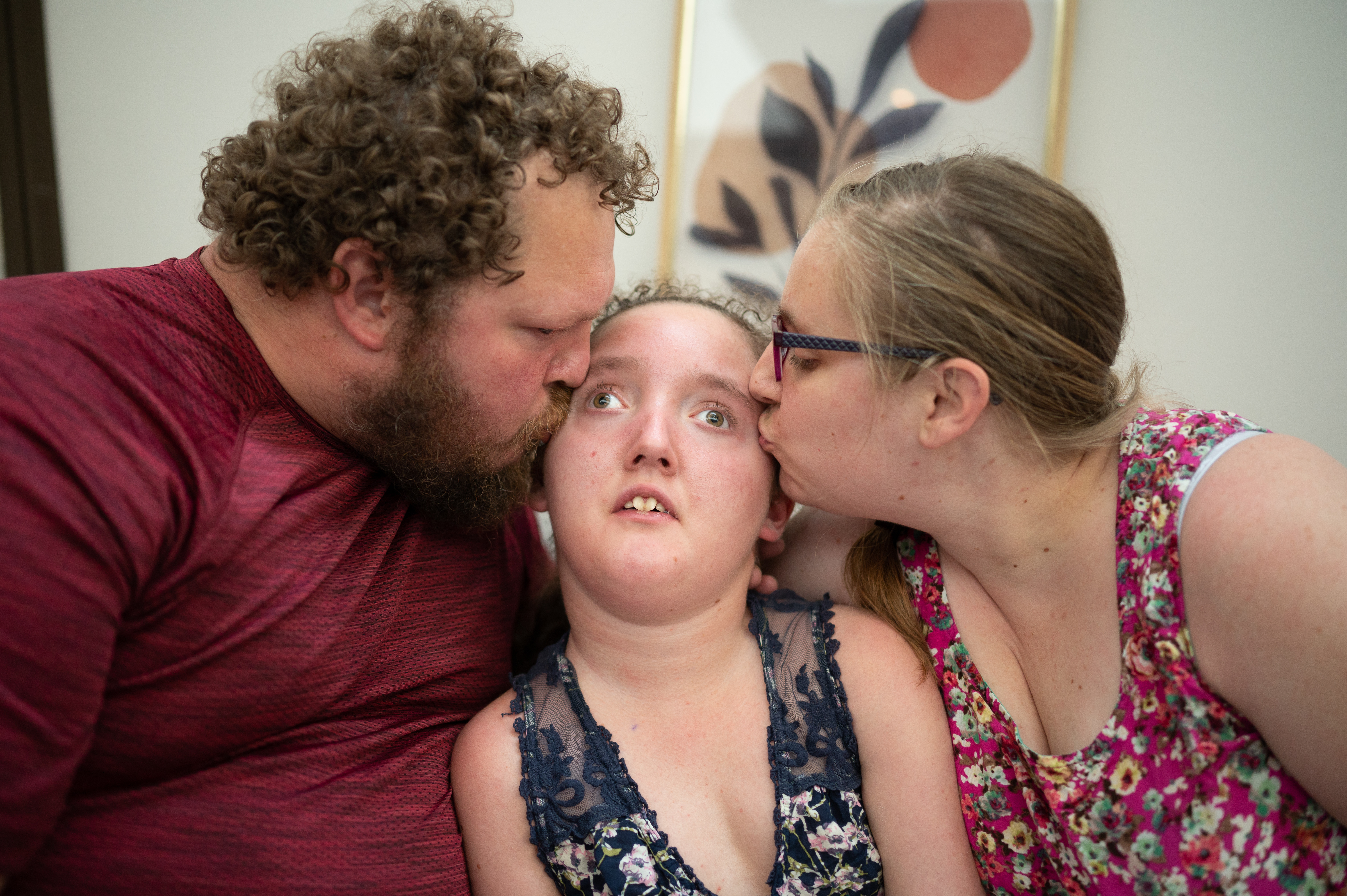
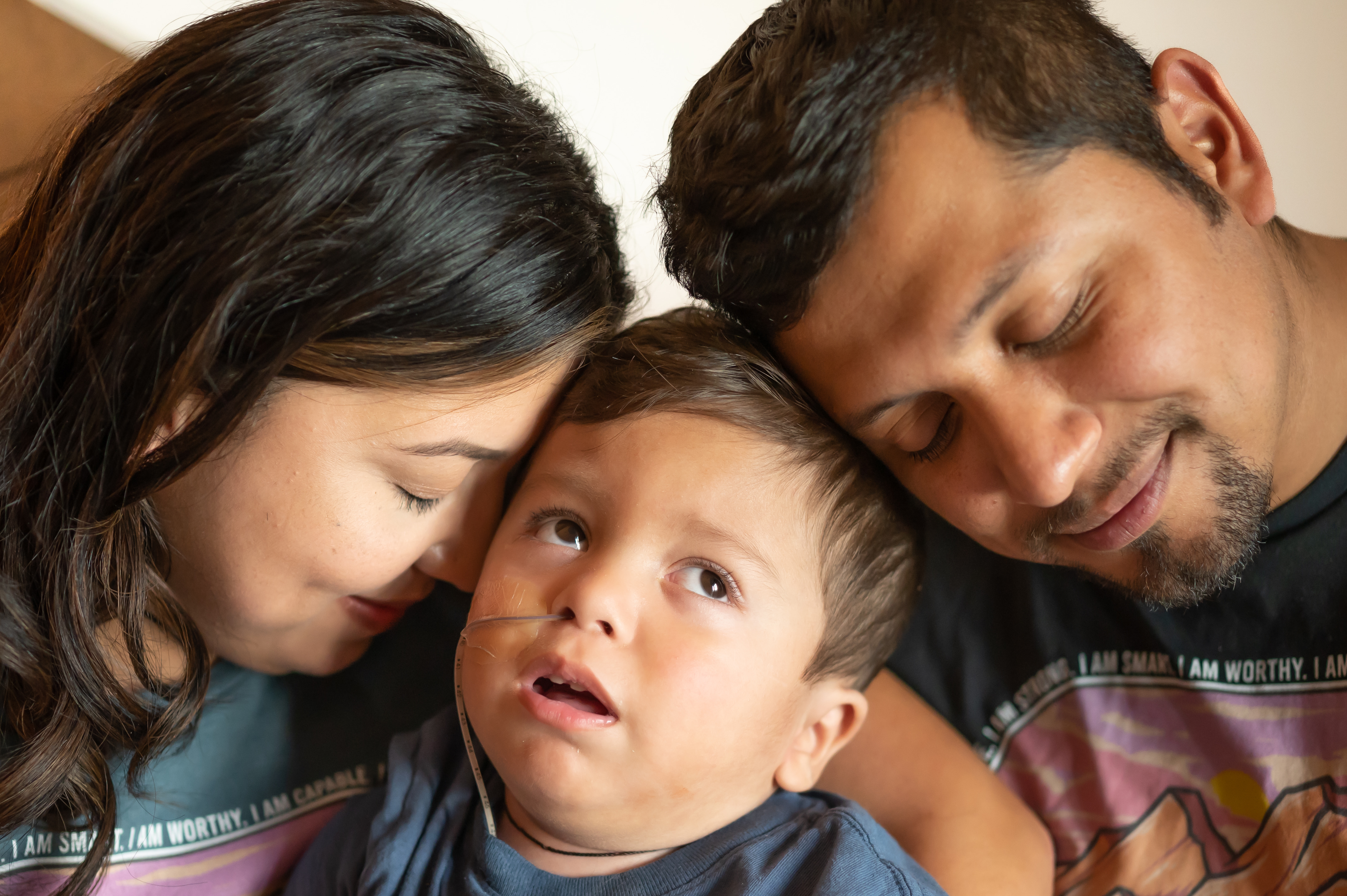
We Care for Rare
Meet Rare Families. Read More› ‹- 1
- 2
- 3
- 4
- 5
- 6
- 7

Latest News
-
Community News
Read NTSAD's latest e-newsletter! Sign up to receive next month's at the bottom of the home page. Read More -
-
- 1
- 2
- 3
- 4
National Tay-Sachs & Allied Diseases Association (NTSAD) leads the worldwide fight to treat and cure Tay-Sachs, Canavan, GM1, and Sandhoff diseases by driving research, forging collaboration, and fostering community. Supporting families is the center of everything we do.
- Default
- Title
- Date
- Random



NTSAD - What are leukodystrophies?
- Details
- Category: All about leukodystrophies
The leukodystrophies are a group of over 50 rare genetic disorders that affect the central nervous system by disrupting the growth or maintenance of the myelin sheath that insulates nerve cells. Myelin is commonly referred to as the brain's white matter. Myelin covers nerve cells and ensures the clear transmission of nerve impulses from one part of the body to another. These disorders are progressive, meaning that they tend to get worse throughout the life of the patient.
The word leukodystrophy comes from the Greek words leuko (meaning white), trophy (meaning growth), and dys (meaning ill). If you put these words together, the word leukodystrophy describes a set of diseases that affect the growth or maintenance of the white matter (myelin).
Leukodystrophies differ from multiple sclerosis (MS) in that leukodystrophies are caused by a defect in the genes involved with growth or maintenance of the myelin while MS is believed to be caused by an attack on the myelin by the body's own immune system.