-
Annual Family Conference 2023
Join the NTSAD Community from June 1-4, 2023 in Reston, Virginia.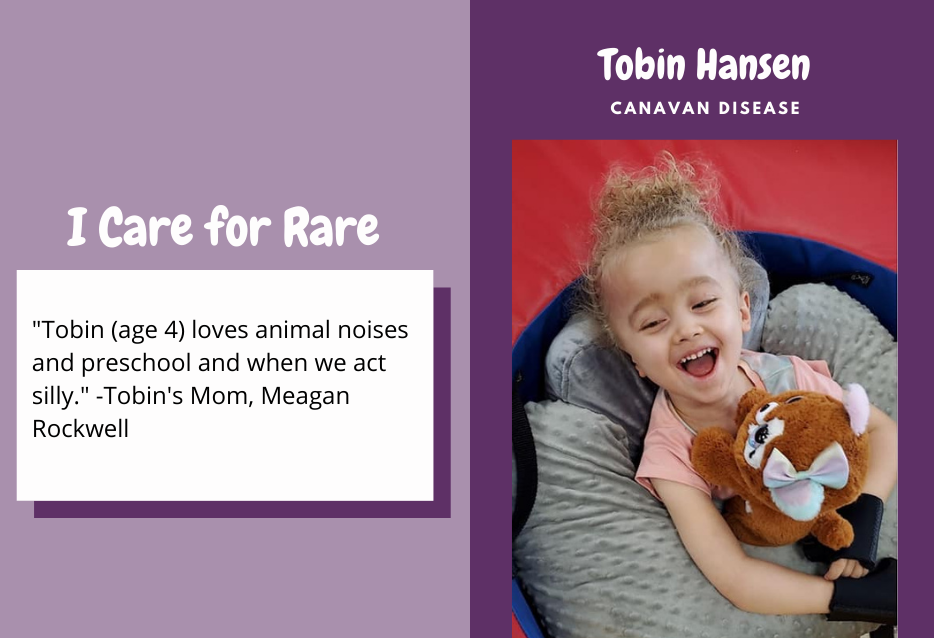
We Care for Rare
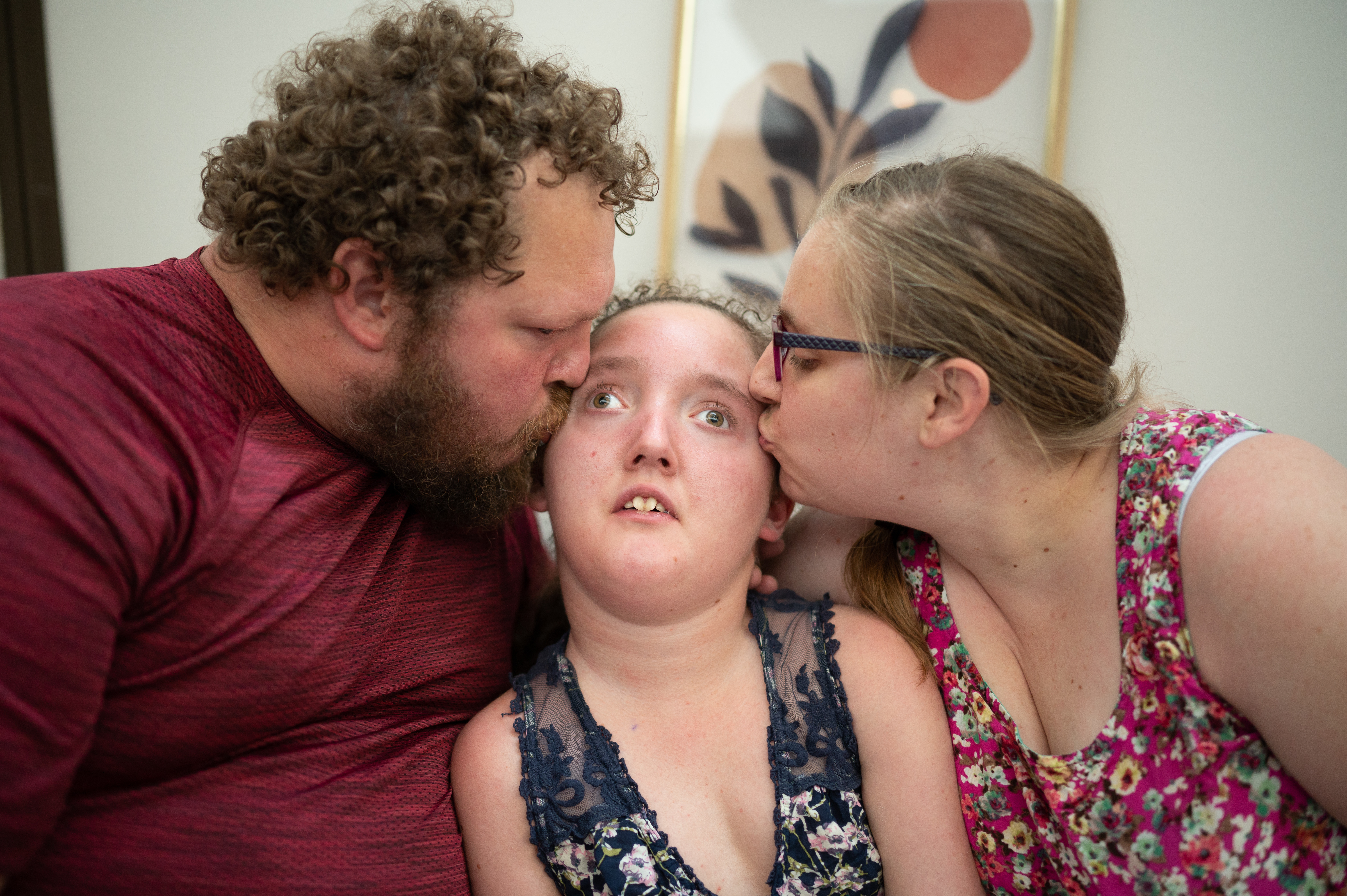
Meet Rare Families. Read More› ‹- 1
- 2
- 3
- 4
- 5
- 6
- 7


Latest News
-
Community News
Read NTSAD's latest e-newsletter! Sign up to receive next month's at the bottom of the home page. Read More -
-
- 1
- 2
- 3
- 4
National Tay-Sachs & Allied Diseases Association (NTSAD) leads the worldwide fight to treat and cure Tay-Sachs, Canavan, GM1, and Sandhoff diseases by driving research, forging collaboration, and fostering community. Supporting families is the center of everything we do.
- Default
- Title
- Date
- Random



NTSAD - How does substrate reduction therapy work?
- Details
- Category: Category 2: Substrate Reduction Therapy
Substrate reduction therapy uses small molecules that pass the blood brain barrier into the central nervous system and decrease the amount of substrate or waste product that accumulates. Think of a clogged sink with the faucet running and turning down the faucet (c). The water will still fill up the sink but it will take longer.
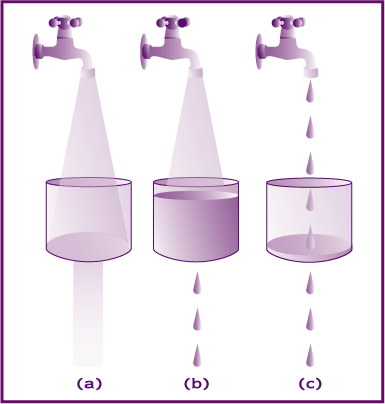
A visual representation:
a) In most individuals the substrate (water) can be degraded efficiently by adequate enzyme volume (hole in sink).
b) In affected individuals the amount of enzyme is insufficient to efficiently degrade the substrate and it accumulates.
c) In affected individuals treated with substrate synthesis reduction therapy, the amount of substrate is decreased to match the amount of residual enzyme to prevent accumulation.
The NTSAD Scientific Advisory Committee (SAC) subcommittee on experimental therapies recently reviewed the data regarding miglustat’s safety and potential efficacy. Read this Report on Substrate Reduction Therapy for Lysosomal Storage Diseases.